March Planting Guide for Zone 7b
What to Sow Now + Early Spring Garden Tasks
March in Zone 7b is when the garden begins to come alive again. The soil is workable (the freeze is thawing!). The daylight is growing. Cool-season crops are ready to thrive.
If you’ve been waiting for the signal to try gardening (or get back into it), this is it!
What to Sow in March (Zone 7b)
These crops prefer cool soil and mild temperatures. Planting now means harvesting before summer heat slows production.
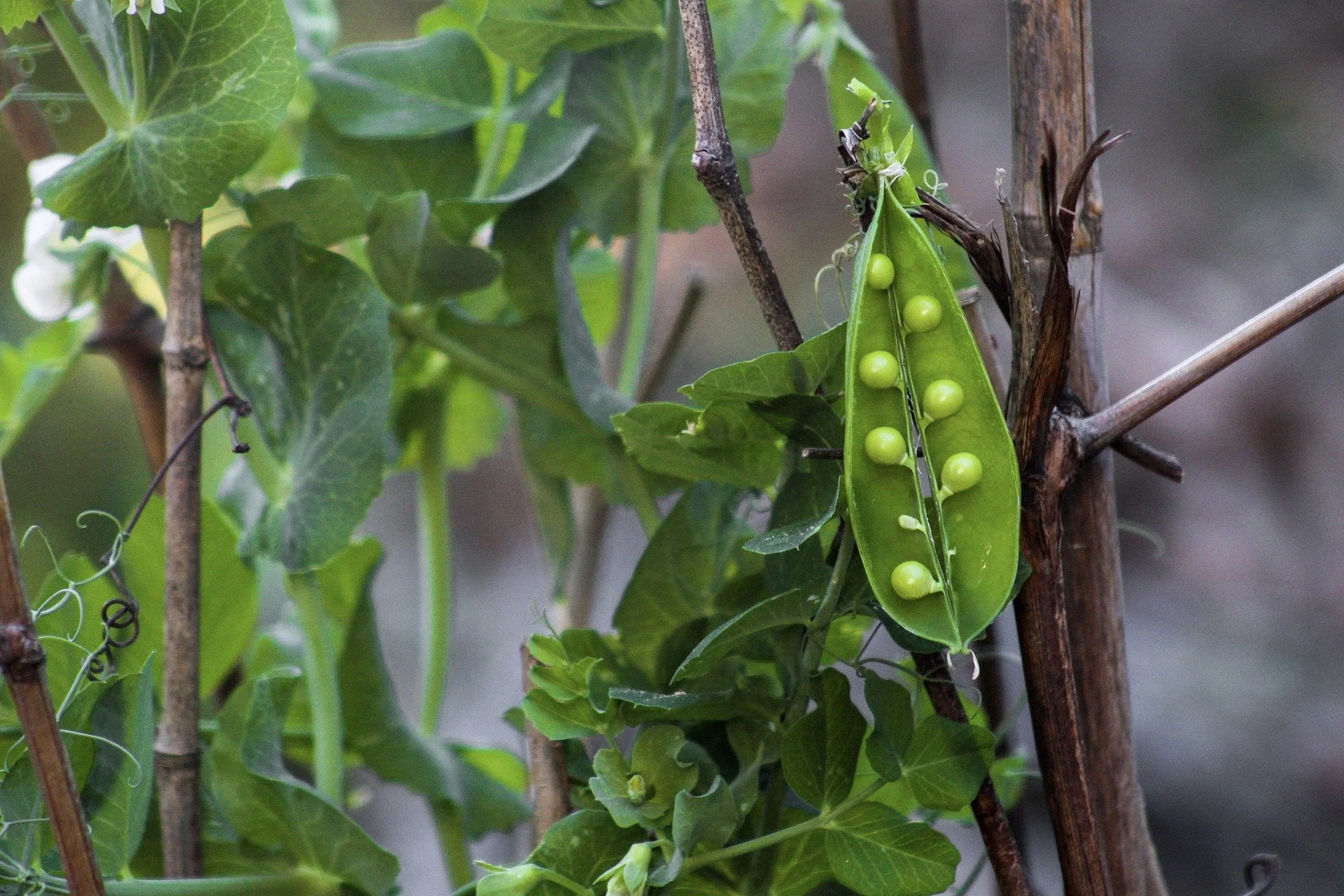
Sugar Snap Peas
Early March is your ideal window. Peas love cool roots and will happily climb as spring progresses.
Tips:
Soak seeds overnight to speed germination.
Install a trellis at planting time.
Keep soil consistently moist until established.
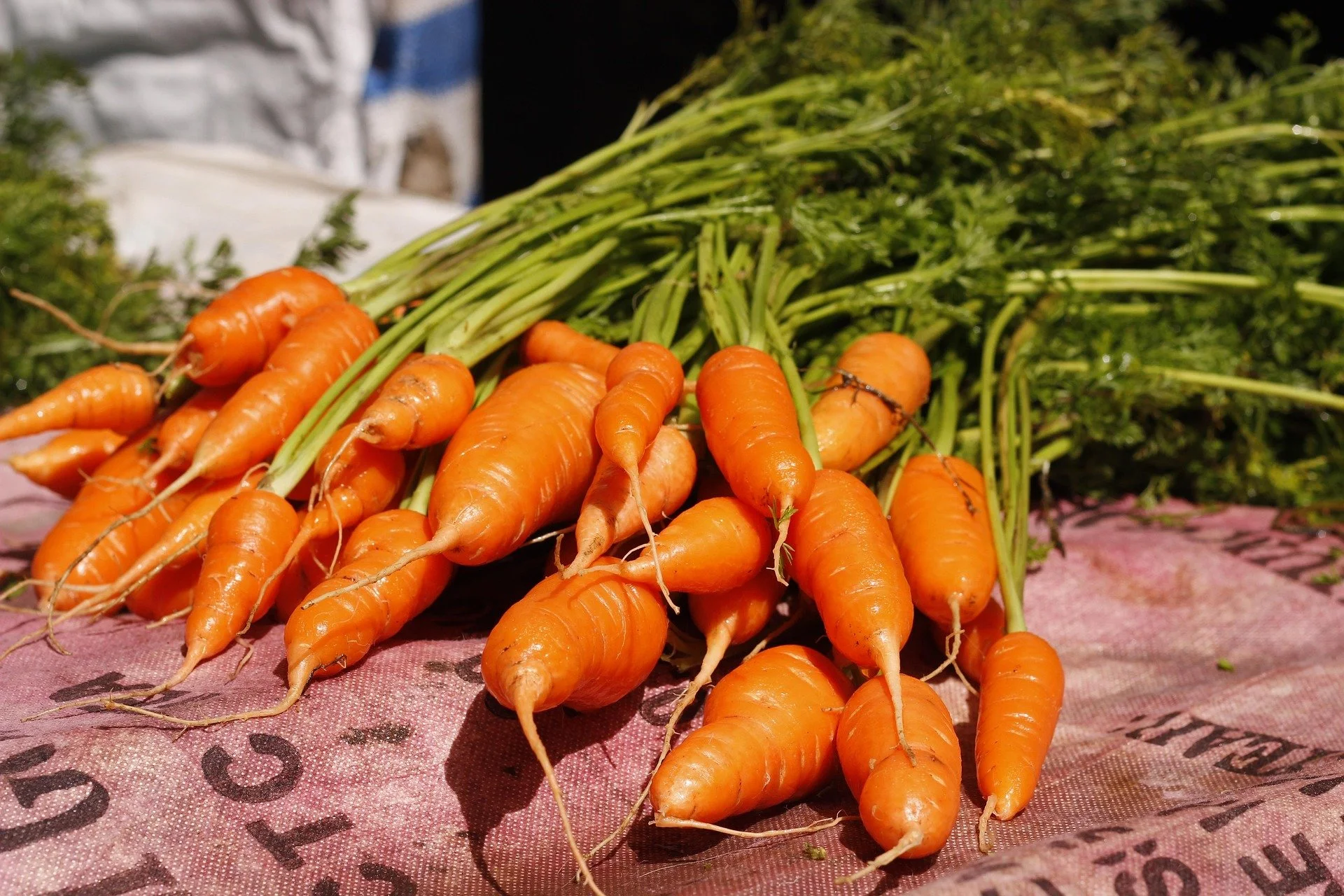
Carrots
Direct sow into loose, stone-free soil. Carrots dislike being transplanted. Planting now in cool temperatures improves sweetness and flavor.
Tips for the best harvest:
Keep soil evenly moist (germination can take 10–14 days).
Thin seedlings early to allow proper root development.
Spinach
A true cold-weather champion. Spinach tolerates frost and even light snow. Plant now for tender baby greens by early to mid-April. Plant more seeds every 2 weeks to keep the harvest going.
Radishes
Fast-growing and beginner-friendly. From seed to harvest in 25–30 days!
Sow small batches every 1–2 weeks for continuous production.
Kale & Collards
These hardy greens taste sweeter after frost because cold converts starches into sugars. Harvest outer leaves first to extend your season.
March Garden Tasks (Zone 7b)
March is about preparation and thoughtful action.
Top-dress beds with compost.
Test your soil if you haven’t in 2–3 years. We can give you guidance on this!
Divide overgrown perennials.
Direct sow cool-season crops like those mentioned above.
Start warm-season crops like tomatoes and peppers indoors (mid March).
Check and repair trellises, raised beds, and tools.
Important Pollinator Reminder
Hold off on cutting back winter stems and clearing garden debris until daytime temperatures are consistently above 50°F.
Many native bees and beneficial insects overwinter in hollow stems and leaf litter. Leaving that habitat intact a little longer supports the pollinators who will support your garden all season long.
Gardening for good means gardening with the ecosystem in mind.
A Reminder
Gardening isn’t about perfection, it’s about participation.
Plant a few rows. Try one new crop. Step outside and notice what’s changing.
If you’re local, we have the seeds, supplies, and knowledge to help you get growing, and we’re always happy to talk through timing, spacing, or troubleshooting.
Print a free garden checklist for March in zone 7b here.